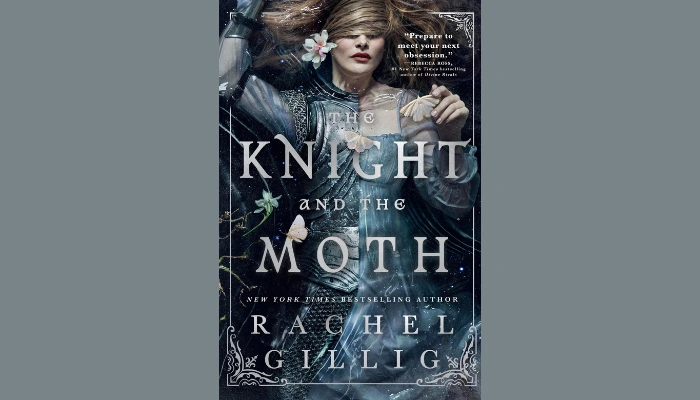
The Knight And The Moth is a captivating gothic fantasy novel that blends dark magic, emotional storytelling, and romantic tension within the richly built world of the Stonewater Kingdom. Written by Rachel Gillig, the book introduces readers to a haunting atmosphere where fate, power, and identity collide in unexpected ways.
At its core, It is more than just a fantasy romance. It is a story about belief systems, hidden truths, and personal transformation. Many readers search for The Knight And The Moth meaning, summary, and even analysis because the novel carries layers that go beyond its surface plot.
In this detailed breakdown, we’ll explore the story, characters, symbolism, and deeper messages behind the novel. This guide will also answer common questions like what is The Knight And The Moth about explained in simple words while keeping the analysis clear and engaging.
Content
Story Overview: The Knight And The Moth Summary
The story takes place in the mystical Stonewater Kingdom, a land ruled by divine visions known as Omens. These visions shape society and determine the fate of individuals, especially the Diviners—people chosen to interpret them.
The main character, Sybil Delling, is a Diviner who has spent her life confined within strict spiritual expectations. She is expected to obey the visions she receives without question. However, everything begins to change when she encounters a mysterious knight whose presence disrupts her understanding of destiny.
This moment sets off a chain of events that forces Sybil to question everything she has been taught. The journey that follows is not just physical—it is deeply emotional and spiritual.
If we look at The Knight And The Moth story summary and key themes, the narrative is driven by three major forces:
Faith vs doubt
Freedom vs control
Truth vs illusion
Character Analysis and Development
Sybil Delling: A Voice Breaking Free
Sybil is not a typical fantasy heroine. She begins her journey as someone completely shaped by obedience and belief in divine control. However, as the story progresses, she starts questioning the system she serves.
This transformation is central to The Knight And The Moth analysis. Her character arc reflects internal conflict—should she trust what she has always believed, or risk everything for truth?
Her emotional journey is what makes the novel powerful. Readers often relate to her struggle, especially those who have experienced strict expectations in real life.
The Knight: Mystery and Change
The knight serves as a catalyst rather than just a romantic figure. His presence introduces uncertainty into Sybil’s world. He represents freedom, chaos, and the possibility that destiny may not be fixed.
Together, Sybil and the knight form a dynamic that challenges the structure of the Stonewater Kingdom.
Themes in The Knight And The Moth
One of the reasons readers search for themes in The Knight And The Moth is because the novel is deeply symbolic and layered.
1. Faith and Control
The Diviners’ visions control society. But the story slowly reveals cracks in this belief system, forcing readers to question authority.
2. Identity and Freedom
Sybil’s journey is about discovering who she truly is beyond her assigned role.
3. Power Structures
The Stonewater Kingdom is built on hierarchy and control. The novel critiques how systems use belief to maintain power.
4. Emotional Isolation
Even surrounded by duty and purpose, Sybil feels emotionally trapped—a feeling many readers find relatable.
Symbolism in The Knight And The Moth
A key element often discussed is symbolism in The Knight And The Moth. The moth is not just a title—it represents transformation, fragility, and attraction to truth even when it is dangerous.
Like moths drawn to light, the characters are drawn toward truth, even if it may destroy their comfort or beliefs.
The knight symbolizes disruption, while Sybil represents structure. Together, they reflect the tension between change and stability.
Real-Life Case Study: Why Readers Connect With Sybil’s Journey
A fascinating real-life parallel can be seen in individuals who grow up in highly controlled environments—whether religious, academic, or cultural.
For example, consider a student raised in a strict academic system where every decision is guided by external authority. Initially, they follow rules without question, believing success depends entirely on obedience.
However, when exposed to new environments—such as university life or international study—they begin to question:
“Are these rules truly right for me?”
“Do I have my own identity beyond expectations?”
This mirrors Sybil’s transformation in The Knight And The Moth. Just like her, real people often experience a breaking point where they must choose between inherited belief systems and personal truth.
This is why the novel feels emotionally real, even within a fantasy setting.
The Knight And The Moth Ending Explained
Many readers search for The Knight And The Moth ending explained step by step because the story avoids simple resolutions.
Instead of offering a clean conclusion, the ending emphasizes transformation. Sybil’s final choices reflect her growth rather than a traditional “victory.”
The ending suggests that truth is not always comforting, and freedom often comes with uncertainty. This open-ended structure encourages readers to interpret meaning personally.
Writing Style and Narrative Tone
The novel uses a gothic yet emotional tone, combining:
Atmospheric worldbuilding
Slow-burning tension
Emotional introspection
Romantic undertones
Unlike fast-paced fantasy novels, the pacing is more reflective, allowing readers to absorb the emotional weight of each scene.
This is one reason why discussions around The Knight And The Moth meaning and analysis are so popular among readers.
Why The Knight And The Moth Stands Out
What makes this novel unique is its ability to balance:
Fantasy worldbuilding
Emotional depth
Philosophical themes
It is not just a story about a knight and a diviner—it is about questioning everything you are told to believe.
Readers who enjoy layered storytelling will find it especially rewarding.
Final Thoughts
The Knight And The Moth is a beautifully layered novel that goes beyond traditional fantasy storytelling. With its emotional depth and symbolic richness, it invites readers to question reality, identity, and belief.
From its haunting setting in the Stonewater Kingdom to its deeply human character journey, the novel leaves a lasting impression that continues to inspire discussion and analysis.
Looking for another engaging read? Check out our detailed guide on Three Days In June, where we explore its story, themes, and deeper meaning in a simple and insightful way.
FAQs
Was The Knight and the Moth spicy?
It contains light romantic tension, but it is not heavily spicy. The focus is more on gothic fantasy, emotional depth, and character development rather than explicit romance scenes.
Will there be a book 2 for The Knight and the Moth?
Yes, it is part of the Stonewater Kingdom series, so readers can expect future installments continuing the storyline and expanding the world.
Is Knight and the Moth standalone?
No, it is not a standalone novel. It is the first book in a series, meaning the story continues in upcoming books.
How many books are in The Knight and the Moth?
It is part of an ongoing series, and the exact number of books has not been fully confirmed yet. More books are expected to follow.
Julius’s the resident literary connoisseur. He dissects classics and uncovers hidden gems. Expect his insights to enrich your reading journey, one page at a time.

 by
by