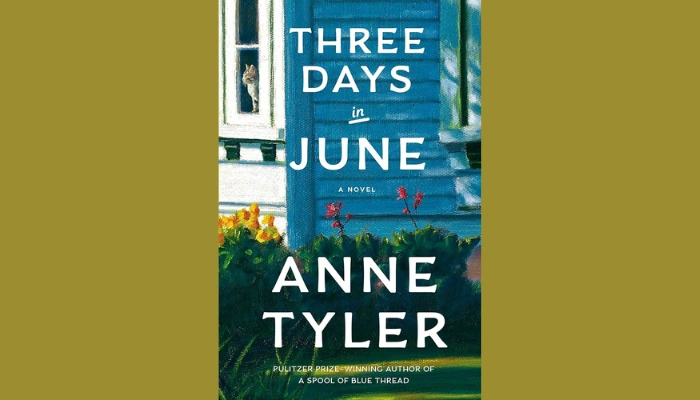
If you are searching for Three Days In June, you are likely trying to understand what the book is about, its meaning, and why it has gained attention among readers. Many people also look for a clear Three Days In June book summary and a simple explanation of its themes and emotional depth.
This article provides a complete, structured breakdown of the book, including its storyline, symbolism, and Three Days In June analysis, written in an easy and informative style.
Content
What is Three Days In June About?
The book Three Days In June focuses on emotional relationships, personal reflection, and family dynamics. It explores how a short period of time can reveal deep emotional truths and unresolved conflicts.
When readers ask what the story is about, the simplest explanation is that it revolves around emotional confrontation, memory, and relationship struggles during a key three-day period.
Three Days In June Book Summary
A Three Days In June book summary and meaning explained shows that the story is centered on internal emotional experiences rather than external action.
During these three days in June, characters go through emotional tension, reflection on past decisions, and moments of silence that reveal hidden feelings. Conversations and interactions gradually expose unresolved issues within relationships.
The story progresses slowly, focusing on emotional realism and human behavior rather than dramatic events.
Meaning Explained
The Three Days In June meaning is symbolic rather than literal.
The “three days” represent a short emotional period where clarity, reflection, and realization occur. June often symbolizes transition and emotional maturity, making the title a representation of change and understanding.
In simple terms, the title suggests that important emotional transformations can happen in a very short time.
Three Days In June Analysis
A deeper analysis reveals key literary themes.
The first major theme is family relationships and emotional distance. The book shows how people can care for each other but still struggle to communicate effectively.
The second theme is memory and regret. Characters reflect on past decisions and the emotional weight they carry.
The third theme is emotional healing. The story presents healing as a slow and realistic process rather than a sudden resolution.
Another important element is silence. The book uses unspoken emotions as a powerful storytelling tool.
The characters in Three Days In June are realistic and emotionally complex. They are portrayed as ordinary people dealing with internal struggles rather than idealized versions of individuals.
Their interactions highlight real-life family dynamics, where small conversations and silence can carry deep emotional meaning.
Real-Life Case Study: Emotional Reconnection After Conflict
A real-life inspired example helps explain the emotional core of the book.
Two siblings, separated for years due to a family disagreement, were forced to spend three days together during a family gathering in June.
Initially, communication was minimal and emotionally tense. However, small conversations gradually opened the door to understanding. By the third day, they began discussing past misunderstandings and emotional pain.
There was no dramatic confrontation or sudden reconciliation. Instead, a quiet emotional shift occurred that slowly rebuilt their connection.
This reflects the central idea of Three Days In June, where emotional healing happens through small, realistic moments rather than dramatic events.
Themes and Storyline Explained Simply
The themes of Three Days In June can be summarized as follows:
Emotional relationships are complex but not beyond repair. Understanding matters more than time when it comes to healing. Small conversations can lead to meaningful emotional changes. Human connections are fragile but deeply important.
Ending Explained
The ending explained in detail shows that the story does not rely on a perfect resolution.
Instead, it focuses on emotional acceptance and partial understanding. Not all conflicts are fully resolved, but there is a sense of clarity and emotional awareness.
This realistic ending reflects how relationships often evolve in real life rather than ending neatly.
Why Readers Connect With the Book
Readers relate to this story because it reflects real emotional experiences. It does not rely on exaggerated drama or unrealistic events. Instead, it focuses on everyday struggles, communication gaps, and emotional growth.
Final Thoughts
It is a reflective and emotionally grounded story that highlights how meaningful change can happen within a short period of time. It explores family relationships, memory, and emotional healing in a realistic and thoughtful way.
From the Three Days In June book summary to its deeper analysis, the story encourages readers to reflect on their own relationships and emotional experiences.
If you enjoy emotionally rich storytelling and deep character journeys, you may also like our detailed guide on The Rage of Dragons, which explores its powerful world-building and intense themes.
FAQs
What is the book Three Days in June by Anne Tyler about?
This Book by Anne Tyler explores family dynamics, emotional distance, and self-reflection as characters confront past choices during a pivotal three-day period.
Is Three Days in June worth reading?
Yes, It is worth reading for its realistic portrayal of family relationships, emotional depth, and subtle storytelling style that resonates with everyday human experiences.
Is Three Days in June a quick read?
Yes, It is a relatively quick and easy read due to its short length, simple language, and focus on emotional rather than complex plot-driven storytelling.
What book did Anne Tyler win a Pulitzer Prize for?
Anne Tyler won the Pulitzer Prize for Fiction for Breathing Lessons, recognized for its insightful exploration of marriage, family life, and human relationships.
Julius’s the resident literary connoisseur. He dissects classics and uncovers hidden gems. Expect his insights to enrich your reading journey, one page at a time.

 by
by