
 by
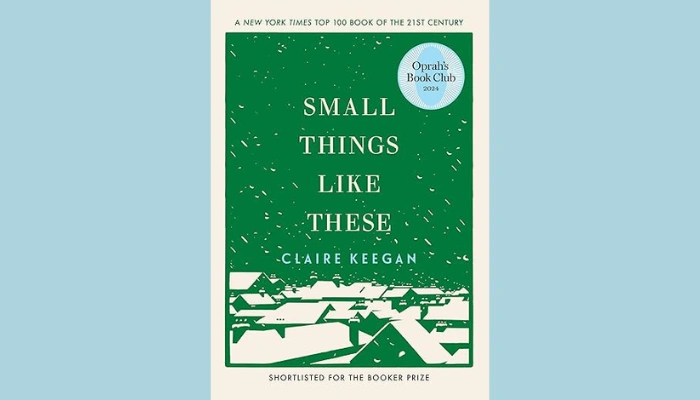
by If you are someone who enjoys quiet but emotionally powerful stories, Small Things Like These by Claire Keegan is one of those books that stays with you long after you finish it. At first glance, it looks like a simple novella set in a small Irish town, but as you move deeper, it slowly reveals a much heavier truth hidden beneath everyday life.
Many readers search for a Small Things Like These book summary and explanation, but the truth is—this book is less about plot twists and more about moral awakening. It shows how ordinary people are often placed in extraordinary ethical situations without warning.
Content
Overview of Small Things Like These
Small Things Like These is written by Claire Keegan, known for her minimal yet deeply emotional storytelling style. The novella is set in 1980s Ireland, a time when the influence of the Catholic Church was extremely powerful in daily life.
The story follows Bill Furlong, a coal merchant and family man, who begins to notice unsettling truths in his small town during the Christmas season. What seems like a peaceful life slowly becomes a moral struggle.
For readers searching what is Small Things Like These by Claire Keegan about, the answer is simple but powerful:
It is about choosing between silence and courage in a society where speaking up can isolate you.
Plot Summary (Simple Breakdown)
The story centers on Bill Furlong, a hardworking man who delivers coal to households and a local convent. On the surface, his life appears stable—he has a loving family, a good reputation, and a routine job.
However, things change when he discovers disturbing conditions at the convent. This place is connected to the historical Magdalene laundries, where women were often mistreated under strict religious authority.
The novella does not dramatize events heavily; instead, it quietly builds tension through observation, silence, and emotional discomfort.
If you are looking for Small Things Like These novella plot summary simple explanation, it can be summed up as:
A man discovers an uncomfortable truth in his community and must decide whether to ignore it or act on it.
Main Themes Explained
1. Moral Courage vs Silence
One of the strongest themes in Small Things Like These is moral responsibility. Bill Furlong constantly struggles between protecting his peaceful life and doing what he feels is right.
This is why many readers search for Themes in Small Things Like These novel explained, because the book forces us to question:
- Would I speak up in the same situation?
- Or would I stay silent to protect my family?
2. Power of the Church in Ireland
The book reflects real historical influence of the Catholic Church in Ireland. During the 1980s, questioning authority was difficult, especially in small towns.
This connects directly to Catholic Church Ireland scandal and the hidden history of institutional control. The story does not attack directly but subtly exposes the emotional weight carried by ordinary people.
3. Compassion in Small Actions
Despite its heavy themes, the book also shows that change does not always come from big actions. Sometimes, it begins with small acts of kindness and awareness.
This is the emotional heart of the story and explains the meaning behind the title itself.
Character Analysis: Bill Furlong
Bill Furlong is not a traditional hero. He is an ordinary man who works hard, loves his family, and tries to avoid trouble. But what makes him powerful as a character is his inner conflict.
He represents:
- Everyday morality
- Silent suffering
- Gradual awakening
His journey is what makes this novella emotionally rich rather than plot-heavy.
Read Also About: The Knight And The Moth
Writing Style of Claire Keegan
Claire Keegan’s writing style is minimalistic but deeply expressive. She does not explain everything directly. Instead, she uses:
- Short, meaningful sentences
- Strong imagery
- Emotional pauses
- Subtle storytelling
This is why many readers describe it as quiet literary fiction, where meaning is found between the lines rather than in action.
Real-Life Inspired Case Study: Moral Silence in Small Communities
To better understand the emotional reality behind Small Things Like These, let’s look at a real-world inspired scenario.
In many small towns across different parts of the world, including rural communities, people often face situations where they witness injustice but choose silence due to:
- Fear of social rejection
- Pressure from authority figures
- Financial dependence
- Cultural norms
For example, consider a small-town worker who notices unfair treatment in an institution where his relatives also depend on employment. Speaking up could risk his family’s stability, so he stays silent—even though he knows something is wrong.
This mirrors Bill Furlong’s situation almost exactly.
This case study helps us understand why Small Things Like These book review and meaning discussions often focus on moral hesitation rather than action. It is not about what is right or wrong—it is about what people feel they can risk.
Historical Context: Ireland in the 1980s
Understanding the setting is important for deeper analysis. Ireland during the 1980s was heavily influenced by religious authority, especially in rural areas.
Institutions like the Magdalene laundries represent a difficult part of Irish history. The book does not go into documentary detail but reflects emotional truth through storytelling.
This is why it is often categorized under Irish historical fiction novel discussions.
Why This Book Matters Today
Even though the story is set decades ago, its message is still relevant today. It speaks about:
- Social responsibility
- Ethical courage
- Community pressure
- Human empathy
Modern readers often relate it to workplace ethics, social justice, and everyday moral choices.
Ending Explanation (Without Spoilers)
The ending of Small Things Like These is subtle but powerful. Instead of giving a dramatic conclusion, it leaves readers with reflection.
Many readers searching for Small Things Like These ending explained in detail often realize that the real ending is not about action—it is about internal change.
Bill Furlong’s final decision reflects a quiet but meaningful shift in awareness.
Final Thoughts
Small Things Like These by Claire Keegan is not just a novella—it is a reflection of human conscience. It teaches us that sometimes the hardest battles are not fought outside but within ourselves.
Whether you are exploring Small Things Like These character analysis Bill Furlong or trying to understand its deeper meaning, the message remains the same:
Even the smallest decisions can carry great moral weight.
Explore the captivating romance world with the Chestnut Springs Series, a must-read collection for fans of emotional and small-town love stories.
FAQs
What is the main message of Small Things Like These?
The main message is about moral courage, conscience, and choosing to act against injustice even in a silent, controlled society.
What are Small Things Like These really about?
It is about a coal merchant who uncovers hidden truths in his town and faces a moral struggle between silence and doing what is right.
What happened to Sarah Furlong?
Sarah Furlong is part of Bill Furlong’s past, revealing his difficult childhood and shaping his emotional sensitivity and moral awareness in the story.
What is the story of Small Things Like These?
It follows Bill Furlong, a coal merchant in 1980s Ireland, who discovers disturbing secrets in a convent and faces an ethical decision.

Julius’s the resident literary connoisseur. He dissects classics and uncovers hidden gems. Expect his insights to enrich your reading journey, one page at a time.


