by
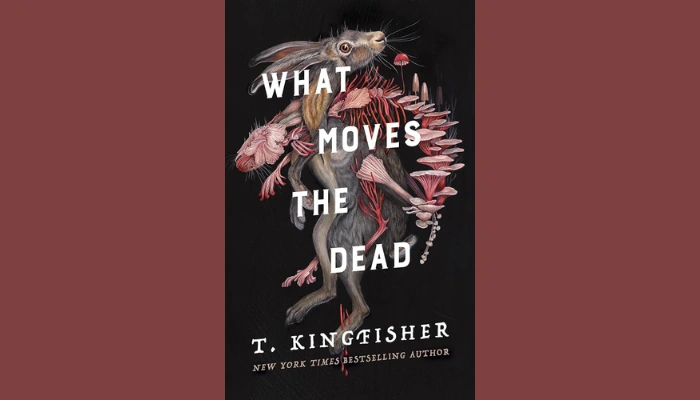
by Ever wondered what moves the dead? From eerie folklore to modern pop culture, the concept of the undead has fascinated people for centuries. Whether it’s a fungus-infested corpse in a horror story or legends of spirits walking among the living, the forces that animate the dead are a topic that blends mystery, science, and storytelling. As a longtime horror enthusiast and book lover, I’ve explored countless stories of the undead, but T. Kingfisher’s What Moves the Dead offers a unique lens that combines literary homage with chilling suspense.
In this article, we’ll dive into what really drives the undead in fiction, explore the historical and scientific ideas behind them, and even examine a real-life case study that illustrates how humans have long feared the reanimation of the dead. Along the way, I’ll share personal insights, comparisons to other horror works, and tips for readers who want to better understand this strange, captivating phenomenon.
Content
Introduction: The Allure of the Undead
I’ll admit it — there’s something addictive about stories that ask, what makes the dead move in folklore? The idea that corpses could rise, either through supernatural forces or scientific anomalies, taps into a deep human fear: that death isn’t final. I first encountered this fascination while reading old horror tales, like Edgar Allan Poe’s The Fall of the House of Usher, and later in modern interpretations like HBO’s The Last of Us.
Kingfisher’s novella stands out because it combines this classical inspiration with a queer horror lens, blending gothic suspense with subtle social commentary. From the fog-shrouded estate to the slow, creeping dread, every element seems designed to make the reader ponder not just the “how” but also the “why” behind the undead.
Plot Overview: A Fungus-Infested Retelling
Without giving too much away, What Moves the Dead is a retelling of Poe’s classic story. Set in an isolated mansion, the story revolves around strange fungal infections that seem to awaken the dead. This is where the narrative cleverly intersects with science: the fungus acts almost like a character itself, hinting at a scientific theory behind zombie movement.
The story is compact, but every page is rich in atmosphere. Kingfisher carefully layers suspense, making even mundane descriptions — the smell of damp wood, the slow creaking of the mansion floorboards — feel like subtle foreshadowing. If you’ve ever wondered how do zombies move according to legends, this novella offers a fascinating blend of folklore, biology, and horror fiction.
Themes and Interpretation: Beyond the Horror
One of the most compelling aspects of What Moves the Dead is its thematic depth. Beyond the surface-level horror, the novella explores:
- Decay and transformation: The fungal elements aren’t just scary; they’re symbolic of decay, both physical and moral.
- Isolation and human psychology: Just as in Poe’s original, the mansion becomes a microcosm for fear, guilt, and obsession.
- Social commentary through horror: The characters’ personal struggles mirror societal anxieties, making the undead a metaphor for unresolved trauma.
For readers curious about supernatural forces that move the dead, the novella provides both literal and metaphorical explanations, inviting a closer look at the interplay between science, myth, and storytelling.
Read Also: Things We Hide From The Light
Writing Style and Atmosphere
Kingfisher’s style is both accessible and haunting. Short sentences build tension, while longer, descriptive passages immerse the reader in the setting. Here’s what makes it stand out:
- Conversational tone: Despite the horror elements, the prose feels approachable. I often found myself reading aloud, savoring the phrasing.
- Rich sensory detail: Smells, textures, and sounds are vividly described, making the horror feel immediate.
- Direct reader engagement: Occasional rhetorical questions and comparisons pull the reader deeper into the narrative.
If you’ve ever wanted to understand zombie movement in a way that combines literary sophistication with readability, this novella is an excellent example.
Characters and Analysis
Kingfisher’s characters are as memorable as the plot itself. The protagonist’s curiosity drives the story forward, while secondary characters highlight themes of fear, denial, and morality. Unlike traditional zombie stories, the undead here are not mindless monsters — they are agents of both terror and revelation.
A key takeaway for aspiring writers: by focusing on character-driven horror, you make even the most supernatural events relatable. Readers care more about the narrative when they understand the human element behind the undead.
Real-Life Case Study: Fear of Reanimation
While fiction often takes liberties, historical records show that societies have long feared the reanimation of the dead. A notable case comes from Haiti in the 19th century, where reports of “zombification” were linked to cultural beliefs and the use of certain toxins derived from pufferfish. Anthropologists like Wade Davis documented these accounts, illustrating how the fear of what moves the dead in folklore can be both psychological and chemical.
This case is fascinating because it blurs the line between myth and science. The Haitian zombies weren’t supernatural, but the cultural belief was so strong that people genuinely feared corpses could rise. For readers, this demonstrates that the idea of undead movement isn’t just literary — it has real-world roots.
Comparisons to Other Works
Kingfisher’s novella doesn’t exist in a vacuum. To understand its innovation, it helps to compare it to:
- Edgar Allan Poe’s The Fall of the House of Usher: Original gothic inspiration.
- Mexican Gothic by Silvia Moreno-Garcia: Modern queer horror influence.
- HBO’s The Last of Us: Popular media interpretation of fungus-based undead.
Each of these works approaches the question of what moves the dead differently — from supernatural to pseudo-scientific explanations — but Kingfisher manages to weave them together in a concise, engaging story.
Tips for Readers Interested in Undead Lore
If this topic fascinates you, here are a few ways to explore it further:
- Read classic horror: Poe, Lovecraft, and Mary Shelley all tackle decay and reanimation.
- Explore modern interpretations: Check out novels like Mexican Gothic and games like The Last of Us.
- Look into real-world folklore: Haitian zombification, European revenants, and Asian jiangshi myths reveal cultural interpretations of undead movement.
- Compare literary and scientific approaches: Understanding fungal parasites or neurotoxins can give a “realistic” lens to zombie stories.
By blending reading, research, and media exploration, you’ll gain a richer understanding of why stories about the undead continue to captivate.
Final Thoughts: Why What Moves the Dead Matters
In the end, What Moves the Dead is more than a horror novella — it’s a study in fear, atmosphere, and human curiosity. Kingfisher’s approach demonstrates how folklore, literary homage, and subtle science can combine to create something fresh and engaging. For those of you who enjoy exploring what makes the dead move in folklore or are curious about scientific theories behind zombie movement, this novella offers both thrills and intellectual stimulation.
Reading it reminded me why I love horror: it isn’t just about scares. It’s about reflection, imagination, and the timeless human fascination with the unknown. Whether you’re a casual reader or a serious horror aficionado, this story will linger in your mind long after the last page.
“If you enjoyed What Moves the Dead, you might also love our review of A Day Of Fallen Night for more thrilling horror and gothic storytelling.”
FAQs
What Moves the Dead country?
Discover the country where What Moves the Dead is set and the origin of its eerie, gothic atmosphere.
Is there romance in What Moves the Dead?
Explore whether What Moves the Dead includes romantic elements amid its horror and suspense.
What Moves the Dead author?
Learn about the author of What Moves the Dead and their approach to horror and gothic storytelling.
What Moves the Dead length?
Find out the length of What Moves the Dead and how long it takes to read this chilling novella.

Julius’s the resident literary connoisseur. He dissects classics and uncovers hidden gems. Expect his insights to enrich your reading journey, one page at a time.