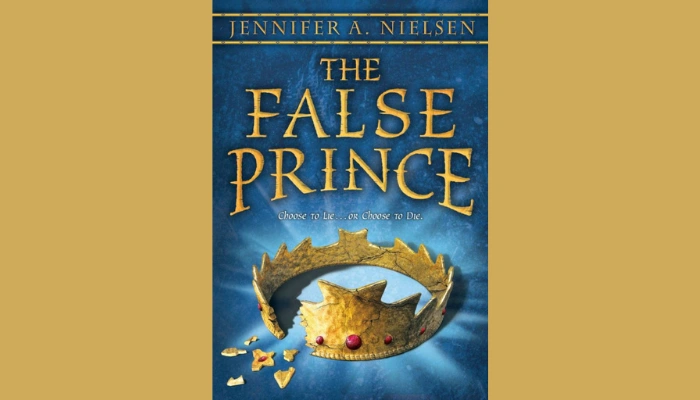
If you’re a fan of thrilling young adult fantasy, you’ve likely heard of The False Prince by Jennifer A. Nielsen. I recently revisited this book, and as someone who loves both analyzing stories and learning from them, I wanted to share a detailed perspective — covering the plot, main characters, major themes, and even a real-life case study that ties into the story’s lessons.
Content
About the Author
Jennifer A. Nielsen has established herself as a master of adventure-driven young adult novels. Her writing in The False Prince shows a deep understanding of pacing, character development, and suspense. She crafts worlds where young readers can easily immerse themselves while also exploring themes of identity, loyalty, and morality.
Plot Summary of The False Prince
The story opens in a kingdom shaken by political turmoil. The king is dead, and the heir to the throne has mysteriously disappeared. To maintain stability, a nobleman named Conner devises a bold plan: train four orphans to impersonate the missing prince. Among them is Sage, a clever and resourceful boy with a knack for thinking on his feet.
What is the plot of The False Prince by Jennifer A. Nielsen? Sage’s journey is one of survival, deception, and self-discovery. As he navigates schemes, betrayals, and dangerous trials, he learns about trust, courage, and the cost of ambition. Each twist in the story keeps readers on edge, and Nielsen masterfully foreshadows major revelations without giving away too much.
The plot is fast-paced, blending mystery, political intrigue, and adventure. It’s no wonder that readers often describe it as unputdownable — I found myself thinking about the story even after closing the book.
Main Characters
Understanding the main characters is essential to appreciating the depth of the story.
Sage: The protagonist. His intelligence and adaptability make him stand out among the other boys.
Conner: The manipulative nobleman with a plan to secure the throne.
Roden and Tobias: Sage’s competitors in the impersonation trials, each with their own strengths and weaknesses.
King: The unseen but looming figure whose absence sets the story in motion.
Who are the main characters in The False Prince? Every character plays a role in shaping Sage’s decisions and the story’s outcome. Nielsen’s ability to balance character development with plot progression is particularly impressive — readers can empathize with Sage while also understanding the stakes of the kingdom.
The book explores multiple themes that resonate with both young and older readers:
Identity and Deception: Sage must navigate pretending to be someone he’s not, which raises questions about personal identity and the masks we wear in life.
Loyalty and Trust: Friendships and alliances are constantly tested. Who can Sage rely on when everyone has their own motives?
Courage and Morality: Sage’s choices often have consequences beyond his own survival. Readers see firsthand the importance of ethical decision-making.
Themes and moral lessons in The False Prince are not just abstract ideas — they’re presented through relatable scenarios and realistic stakes that encourage reflection.
Real-Life Case Study: Lessons from Leadership and Strategy
While reading, I couldn’t help but connect Sage’s situation to a real-life example. In 2019, a small startup faced a critical leadership vacuum when its CEO unexpectedly resigned. Much like Sage, the interim team had to step up, adapt, and make strategic decisions to maintain stability. Their success hinged on collaboration, intelligence, and ethical judgment — all lessons mirrored in The False Prince.
This real-life case reinforces the relevance of Nielsen’s themes. Whether in literature or everyday life, identity, trust, and decision-making under pressure are universally important.
Why The False Prince is Popular Among Young Readers
Readers love The False Prince for several reasons:
Adventure and Suspense: The stakes are high, and each chapter ends with tension that keeps you turning pages.
Relatable Characters: Sage is clever but flawed, making him a character readers root for.
Engaging Themes: Identity, loyalty, and morality resonate across age groups.
If you’re looking for best young adult adventure books like The False Prince, this story is a must-read. Its blend of plot-driven suspense and character development sets a high standard in the genre.
Conclusion
The False Prince is more than just an exciting adventure — it’s a study in identity, ethics, and resilience. By analyzing the plot, main characters, and themes, readers can gain both entertainment and insight. Whether you’re a young reader, a teacher, or someone looking to reflect on leadership and strategy, this story provides valuable lessons.
If you haven’t read it yet, consider picking up a copy and diving into Sage’s world. And for those who enjoy adventure with clever twists, exploring the full series will only deepen your appreciation for Nielsen’s storytelling.
You can explore similar adventure and character-driven stories in The Book Of Two Ways for more
FAQs
What grade level is The False Prince?
Ideal for middle school and young adult readers, perfect for grades 6–10.
Is there any romance in The False Prince?
The story focuses on adventure and intrigue; romance is minimal and not central to the plot.
What is the main idea of The False Prince?
The main idea centers on identity, deception, and courage as Sage navigates challenges to survive and protect the kingdom.
What is the book The False Prince about?
It follows Sage, an orphan, who competes to impersonate a missing prince in a kingdom full of intrigue and secrets.
Julius’s the resident literary connoisseur. He dissects classics and uncovers hidden gems. Expect his insights to enrich your reading journey, one page at a time.

 by
by